
A rental portfolio refinance fell apart last month. Perfect payment history, strong occupancy, solid cash flow. The investor had everything lined up, except one thing: insurance premiums had doubled since purchase, and the debt service coverage no longer worked.
The deal died. Not because of rates. Not because of property performance. Because of a line item that went from $4,000 to $9,500 annually.
Insurance isn’t sexy, but it’s the variable killing more deals right now than interest rates. And most investors don’t see it until it’s too late.
Homeowners insurance costs have shot up 70% since 2021. Florida homeowners now pay an average of $15,460 annually. Louisiana saw a 27% jump in 2025 alone. California is up 21% this year.
This isn’t a temporary spike. Carriers are exiting high-risk markets entirely, shifting coverage to smaller regional carriers and state-backed insurers. The ones staying are raising rates to stay solvent. If you’re underwriting deals using last year’s insurance costs, you’re underwriting fiction.
Insurance is part of the debt service coverage calculation. When premiums jump from $3,000 to $7,500 annually on the same property, your DSCR drops. What qualified at 1.25x last year might not qualify at 1.10x today.
Lenders are seeing loan closings fail because debt-to-income ratios become too high once actual insurance costs are factored in. A property that was modeled 12 months ago might not qualify for financing today, even with identical rent rolls and market conditions.
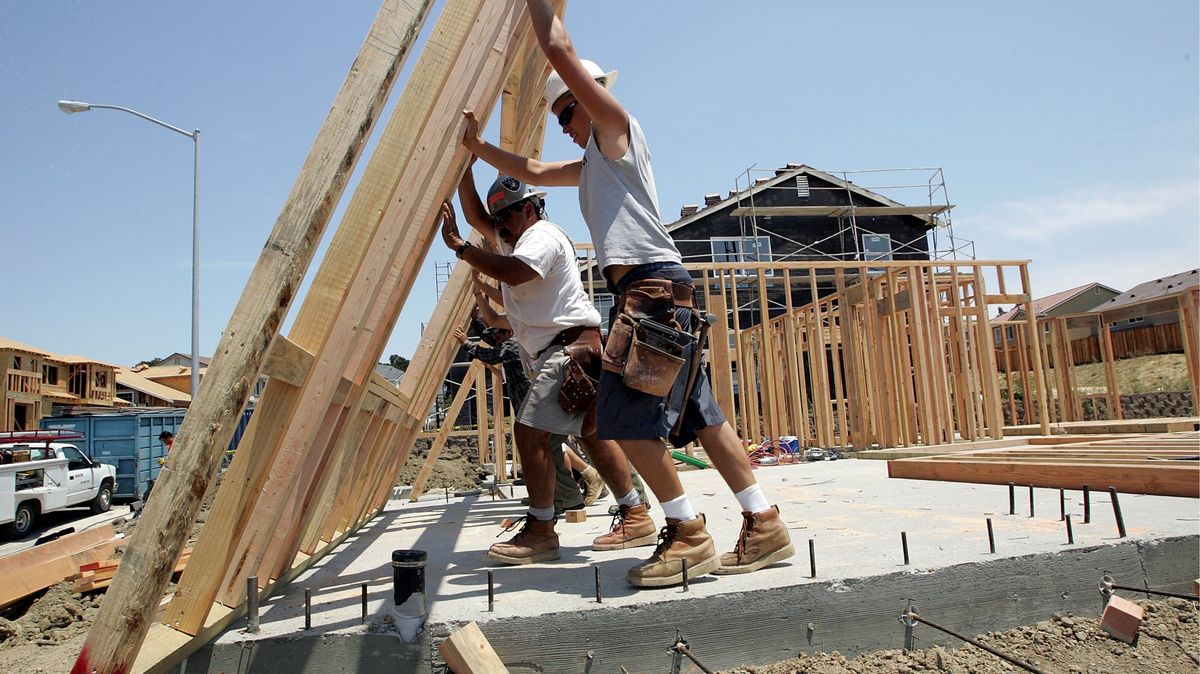
Builder’s risk insurance typically runs 1-5% of the total construction budget. On a $500K project, that’s $5,000 to $25,000. In high-risk markets like South Florida, some projects are seeing builders risk exceeding 8% of total costs.
Longer projects mean higher cumulative expenses. A 12-month build that used to carry $12K in builder’s risk might now run $20K or more. That’s less leverage or more equity required, and it changes what pencils.
Get actual insurance quotes before going under contract. Not estimates. Not “it should be around…” Actual quotes from licensed agents in that market.
Underwrite insurance at higher levels than current quotes suggest. Build in a buffer. If the deal still works with elevated insurance costs, you’re protected. If it doesn’t, you just avoided a bad investment.
Ask your broker or lender what the insurance trend looks like in that specific market. If they don’t know, find someone who does.
Insurance costs aren’t going down. Lenders are adjusting underwriting to reflect this reality. The investors and developers who acknowledge it early and build it into their models are the ones who’ll keep closing deals.
At Lendyx, we underwrite insurance costs realistically because we’d rather kill a deal in underwriting than watch it fail at closing. That’s not being conservative. That’s being honest about what actually works.

Apply in minutes. Close your loan quickly.



.png)