

2026 isn’t about predicting rates or waiting for the perfect market. It’s about positioning.
Most investors waste time reacting to headlines. Smart borrowers are already moving. They’re building lender relationships before deals show up, getting pre-qualified on structure instead of just loan amounts, and executing while others wait for conditions that may never arrive.
The lending environment in 2026 rewards preparation, not hesitation.
Let’s address the question everyone’s asking: where are rates headed?
Based on current market indicators, mortgage rates are forecasted to end 2026 around 5.9% to 6.0% down from the mid-6% range where they sit now. That’s progress, but it’s not dramatic. Industry experts project rates will remain in the high- 5% to low-6% range throughout the year, with some forecasts suggesting they could dip as low as 5.97% by year-end.
Here’s what that means in practice: rates will improve modestly, but they’re not returning to the 3-4% environment that turbocharged the market in 2020-2021. Investors waiting for rock-bottom rates will stay on the sidelines while others execute.
Borrowers who understand total cost of capital, not just interest rates, will continue to move forward. A deal that works at 6.5% and closes in 10 days often outperforms a deal at 6.0% that takes 45 days and falls apart during underwriting. Flexible capital wins when speed and certainty matter more than a 50 basis point difference.
One of the clearest trends heading into 2026 is the continued growth of DSCR and Bridge loan products.
DSCR loan originations increased by almost 35% on an annual basis in 2025, with more than $2 billion originated in January 2025 alone. By mid-2025, DSCR loans accounted for approximately 28.7% of non-QM originations by volume, second only to bank-statement loans. Investor purchases represented 26% of all single-family home sales in Q3 2024, underscoring sustained demand for investor-focused financing.
The surge makes sense. More investors are shifting to income-producing strategies that don’t require W-2 verification, tax returns or personal income scrutiny. DSCR loans allow portfolio builders to scale without hitting conventional loan limits because they qualify based on property cash flow, not the borrower’s day job.
Bridge loans are playing a similar role in competitive acquisition markets where speed matters. Bridge financing allows investors to move quickly on properties that need light stabilization or repositioning before refinancing into permanent debt. Closings in 5-10 business days give buyers an edge that conventional financing can’t match.
These products aren’t alternatives anymore. They’re the standard for professional investors.
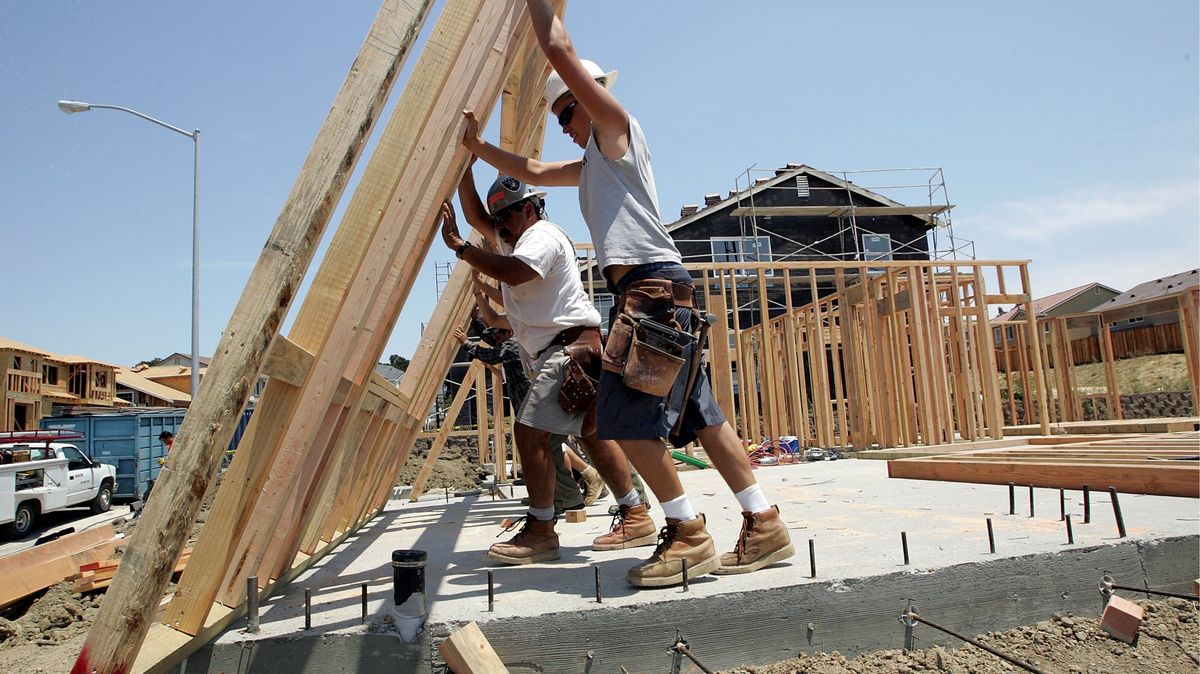
After two years of caution, ground-up construction is making a comeback.
The U.S. is currently facing a shortage of 1.5 million housing units, according to the National Association of Home Builders. That supply gap is creating opportunity for developers willing to build. Industry forecasts project single-family construction spending will grow by 13.1% in 2026, with multifamily construction expected to rebound at 17%.
Not all construction projects will succeed, though. The key is working with lenders who understand construction timelines, draw schedules, and risk layering. Projects that work on paper still fail when capital doesn’t flow on schedule or when underwriting standards shift mid-project. Institutional-grade underwriting separates the projects that get built from the ones that stall.
Lenders who can finance land, hard costs, and soft costs under one loan – and release draws quickly after inspections – give developers the structure they need to execute. Ground-up deals are viable again in 2026, but only when paired with the right capital partner.
Positioning for 2026 means taking action today. Here’s what separates borrowers who execute from those who wait:
Positioning isn’t about timing the market. It’s about having the right capital lined up when the deal shows up.
Lendyx works with borrowers who plan ahead instead of scrambling at the last minute. We structure New Construction, Fix & Flip, Bridge, and DSCR loans for investors, developers, and brokers who value speed and certainty.
If you’re ready to move in 2026, we’re ready to fund it.

Apply in minutes. Close your loan quickly.

.png)


.png)