754.296.8200
Resources

Managing a Ground-Up Build: The Phases and Where Projects Slip

October 29, 2026
|
Program Articles

Ground-up projects rarely blow up all at once. They slip a week here and a month there, and the delays tend to show up in the same places every time. Every extra month means more interest, more holding costs, and a tighter exit.

The good news: if you know where the slips happen, you can plan around them. Here are the five phases of a ground-up build and the trouble spots in each.

Phase 1: Pre-development

This is everything before a shovel hits the ground: buying the land, checking feasibility, getting plans drawn, and pulling permits. It's also where many projects lose the most time.

Where it slips:

  • Zoning and entitlements. A variance or rezoning can add months, and hearings don't run on your schedule.
  • Permit review. Plans often come back with comments. Each round of revisions restarts part of the clock.
  • Surprises in due diligence. Survey issues, easements, flood zone status, or utility access problems found late.

How to protect your timeline: Talk to the local building department early. Hire an architect and engineer who know that municipality. Build permit time into your schedule as a real line item, not a guess.

Phase 2: Financing and closing

Once plans and permits are in motion, you lock in your construction loan. Your lender will review your budget, timeline, plans, and experience before closing.

Where it slips:

  • A budget that's too thin. Underestimated costs lead to change orders and funding gaps later.
  • No real contingency. Without a cushion, one surprise can stall the whole job.
  • Unclear draw schedule. If you don't know how and when funds release, contractors wait and work stops.

How to protect your timeline: Get detailed bids, not ballpark numbers. Carry a contingency for unknowns. Agree on the draw schedule and inspection process before closing, so everyone knows what triggers each payment.

Phase 3: Site work and foundation

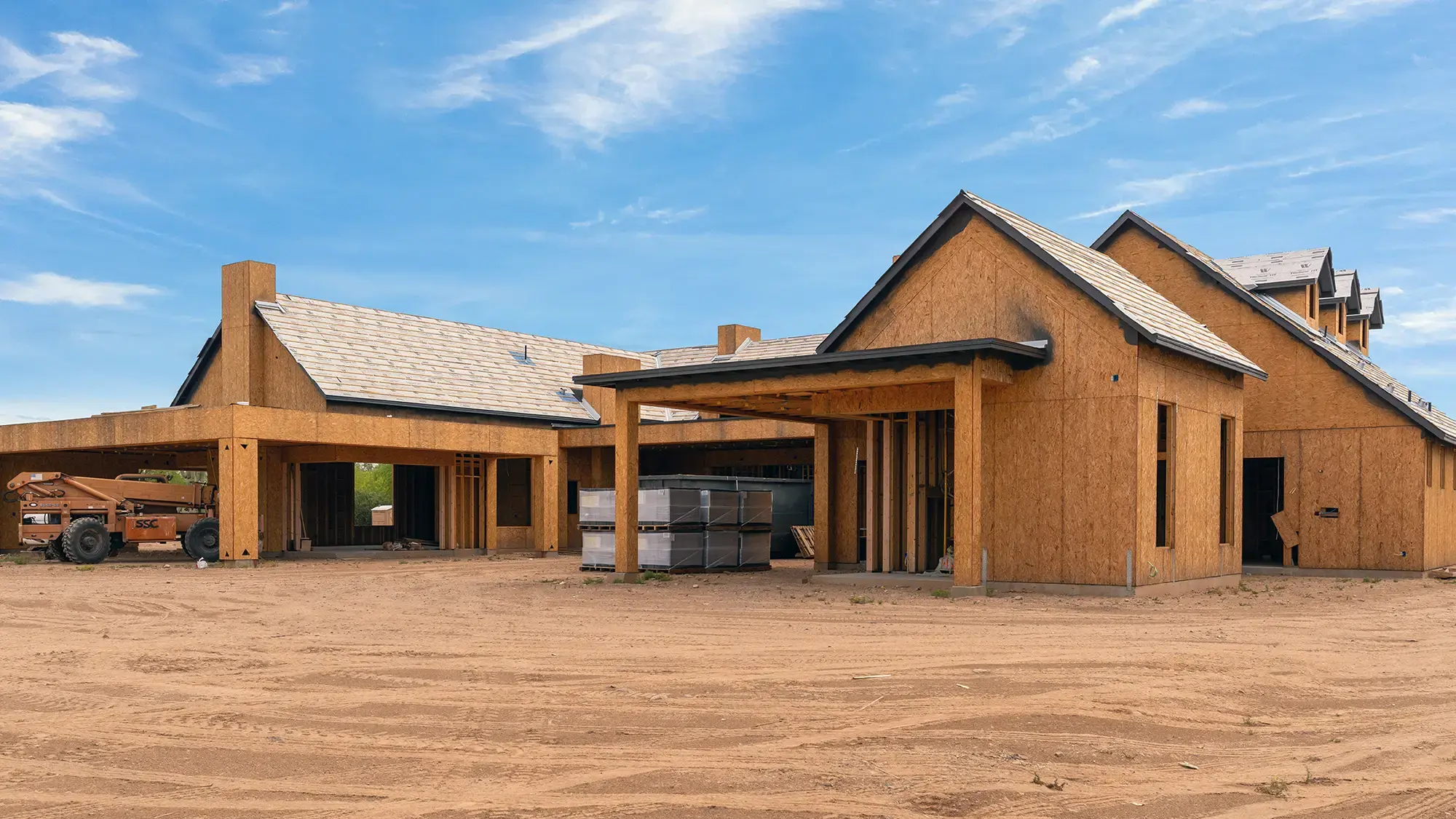
Clearing, grading, utilities, and the foundation. What's underground is hard to predict, which makes this phase risky.

Where it slips:

  • Soil conditions. Poor soil, high water tables, or buried debris can mean extra excavation or a redesigned foundation.
  • Utility connections. Water, sewer, and power hookups depend on outside providers with their own timelines.
  • Weather. In South Florida, rainy season and hurricane season can halt site work for days or weeks.

How to protect your timeline: Order a geotechnical (soil) report before you finalize plans. Request utility connections as early as possible. Schedule site work around the weather where you can.

Phase 4: Vertical construction

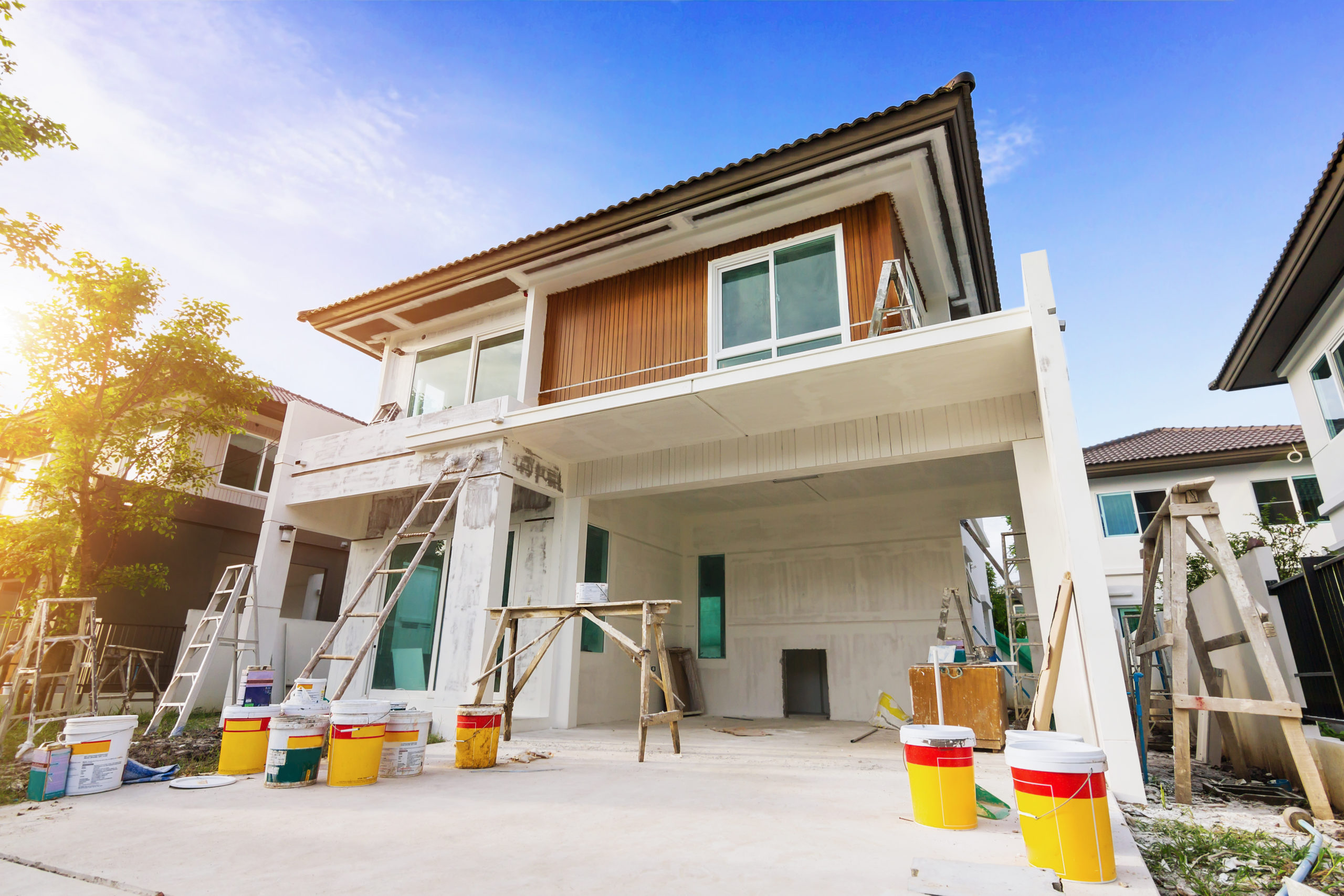
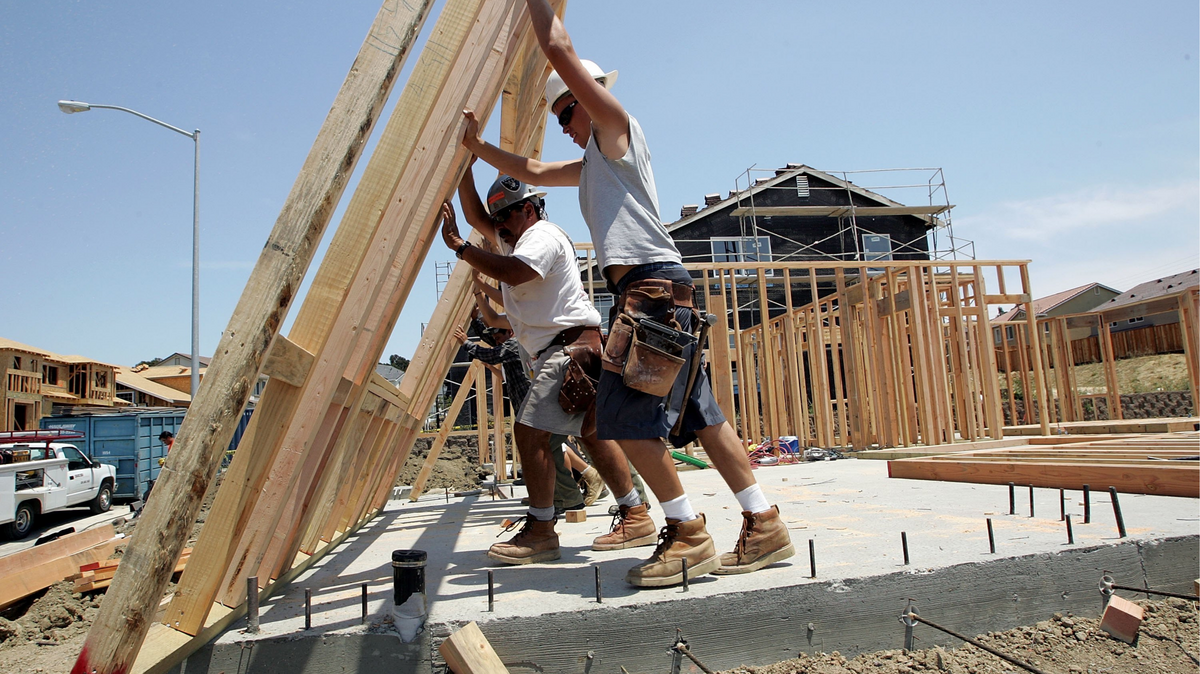
Framing, roofing, windows, and the mechanical, electrical, and plumbing (MEP) rough-ins. This is where the building takes shape and where most of the budget gets spent.

Where it slips:

  • ‍Failed inspections. Each failed inspection means rework and a wait for the next available inspector.
  • Trade scheduling. If the framer runs late, the electrician and plumber get pushed, and they may take other jobs in the meantime.
  • Materials and labor. Backordered windows, lumber price swings, or a short crew can stall progress.
  • Change orders. Design changes mid-build add cost and time.

How to protect your timeline: Lock in long-lead items like windows and doors early. Keep a tight schedule with your GC and check it weekly. Avoid design changes once construction starts unless they're truly needed.

Phase 5: Finishes, CO, and exit

Drywall, flooring, cabinets, fixtures, final inspections, and the certificate of occupancy (CO). Then you sell, lease, or refinance.

Where it slips:

  • The punch list. Small fixes pile up and drag on longer than expected.
  • Getting the CO. Final inspections can uncover issues that need work before the city signs off.
  • The exit. If the market shifts or a refinance takes longer, your loan maturity can sneak up on you.

How to protect your timeline: Walk the property with your GC before final inspections. Start your exit plan, whether listing or refinancing, before construction wraps. Know your loan's maturity date and extension options from day one.

Quick reference: where builds slip

Phase Common slip points How to stay on track
Pre-development Zoning, permit revisions, due diligence surprises Engage the building department early; budget real time for permits
Financing and closing Thin budget, no contingency, unclear draws Detailed bids, a contingency reserve, draw schedule agreed upfront
Site work and foundation Soil, utility hookups, weather Soil report early; request utilities early; plan around the season
Vertical construction Failed inspections, trade delays, materials, change orders Order long-lead items early; weekly schedule check; limit changes
Finishes, CO, and exit Punch list, CO sign-off, market or refi delays Pre-inspection walkthrough; start exit plan early; track maturity

Build with a lender who knows construction

The right financing partner helps you spot these risks before they cost you. At Lendyx, our Ground-Up Construction loans come with clear terms, structured draws, and a team that understands how builds really run.

Planning your next project? Email us at deals@lendyx.com to talk through your budget, timeline, and financing options.

More Resources

Let’s fund your next deal.

Apply in minutes. Close your loan quickly.