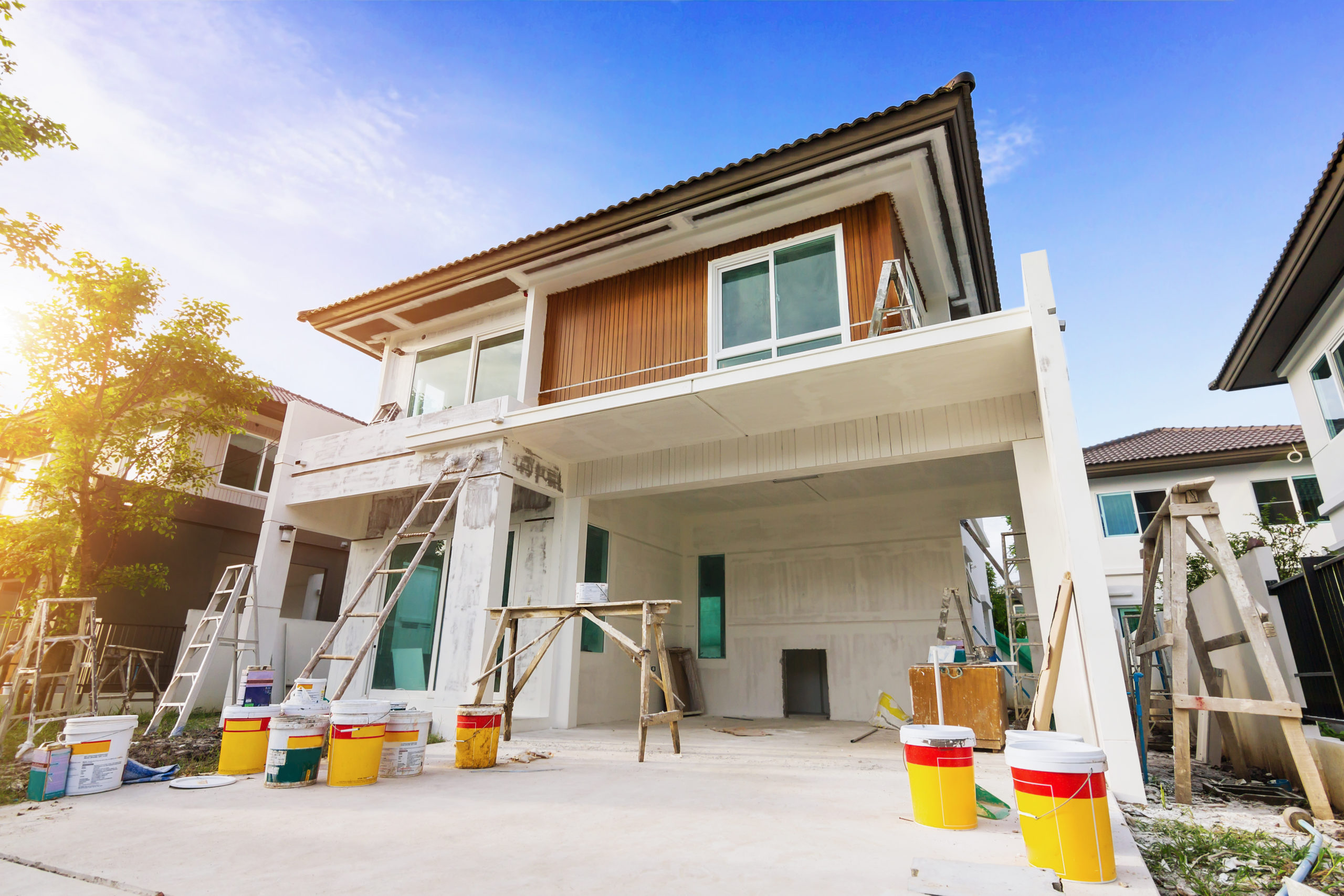
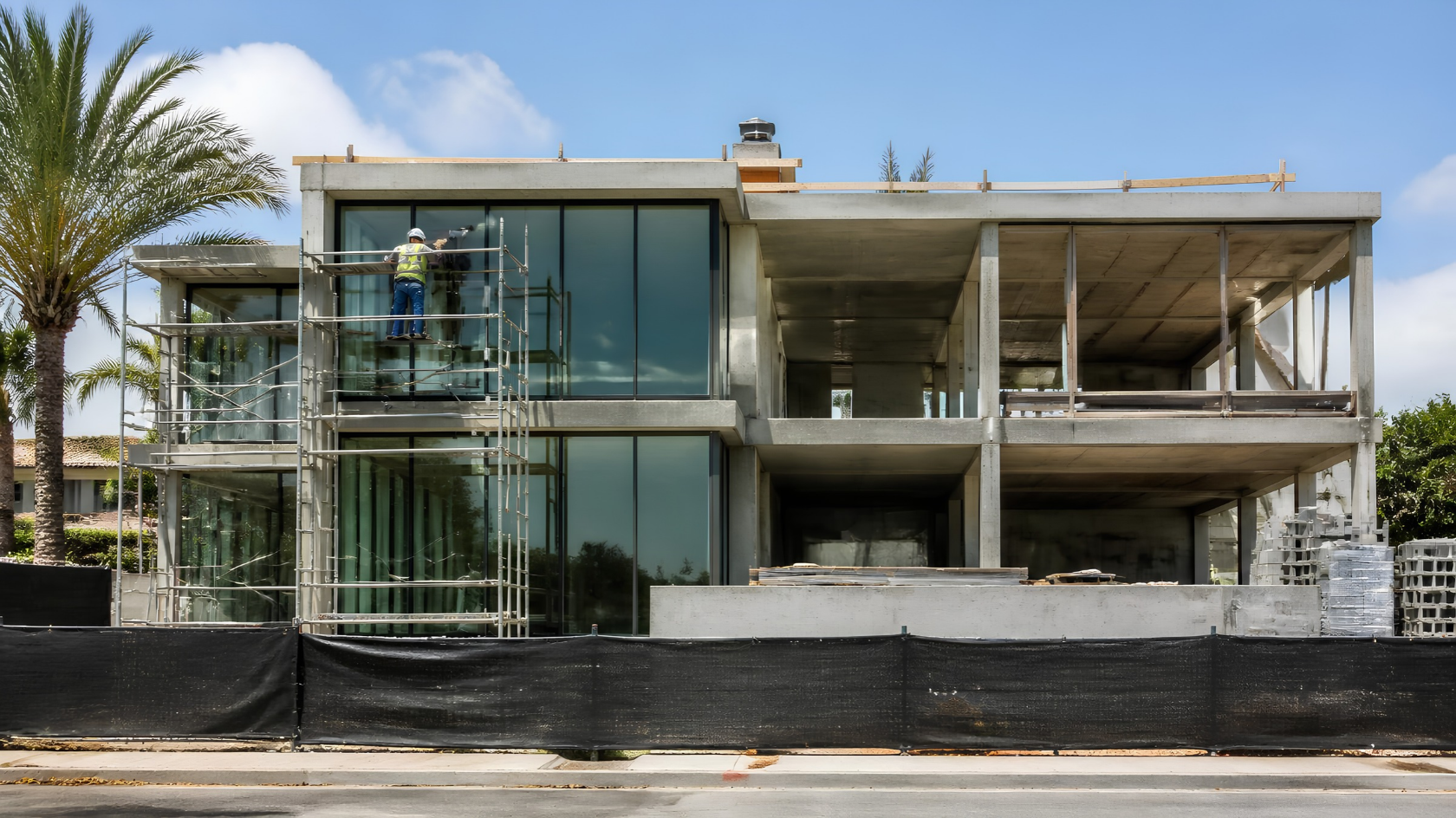
Small residential rehab projects require capital at two different points: acquisition and renovation. The purchase closes before the work begins, while rehab funds must reach the project as construction progresses. Your financing needs to account for both obligations and the cash you will carry through the sale.
Lendyx structures fix and flip loans to cover acquisition and rehabilitation in a single facility. The structure combines property-based underwriting, staged renovation draws, and interest reserves that can be funded through the loan.
This guide explains how those components work together, what to review in your project budget, and how to align financing with your renovation schedule and exit strategy.
A fix and flip loan provides short-term financing for purchasing and renovating an investment property intended for resale. Acquisition funding supports the purchase, while rehabilitation funds are held back and released through staged draws as work progresses.
The loan structure should follow the project. A defined scope of work establishes what needs to be completed, the renovation budget assigns costs to that work, and the schedule identifies when funds will be needed.
For a small residential rehab, those details determine how much cash remains available between closing, contractor payments, and the eventual sale. Financing the purchase is one part of the transaction. Maintaining liquidity through completion is another.
Your rehab financing plan should address draw timing, leverage, documentation, experience, and the intended exit. Each component affects the capital required to complete the project.
Review these items together. A loan amount alone does not show how the project will be funded between milestones.
Lendyx provides fix and flip financing that includes acquisition and renovation under a single facility. You fund the purchase and establish the rehab financing through one closing.
The structure supports a defined renovation plan. Rehabilitation funds are released through draws tied to completed work and third-party inspection, connecting capital disbursements to documented project progress.
Lendyx focuses underwriting on the asset and deal economics rather than personal income documentation. The property, renovation plan, and intended exit remain central to the file.
A single acquisition-and-rehab facility consolidates the financing for the purchase and the planned renovation. Your closing establishes the funding structure before the construction phase begins.
That structure makes the renovation budget part of the initial financing decision. The purchase amount, work required, and proposed exit can be evaluated together rather than treated as separate capital needs.
Interest reserves provide for debt service during the renovation period and can be funded through the loan. The reserve protects liquidity that would otherwise be needed for ongoing interest payments during construction.
The operational benefit is specific: your working capital can remain focused on executing the renovation. The reserve should be considered alongside the rehab budget and project schedule, with its treatment confirmed in the loan structure.
Lendyx supports broker relationships and fee protection as part of the transaction. Mortgage professionals can coordinate investor financing through the same acquisition-and-rehab structure.
For the project team, clear coordination helps keep documentation, underwriting, and closing requirements connected to the transaction timeline.
Staged rehab draws release renovation capital as completed work is verified. Lendyx uses third-party inspections to confirm progress before draw funding.
The timing matters because construction spending and loan disbursement do not necessarily occur on the same day. Contractor invoices, completed milestones, inspection, and approval all need to fit within the project’s cash plan.
Build that sequence into your renovation schedule. Identify what work supports each draw, when your contractor expects payment, and the cash needed while the draw moves through verification.
Contractor payment planning should reflect the work required for each draw request. A milestone-based budget gives the project team a common reference for the work completed and the amount requested.
This connection is particularly important on a smaller rehab, where several payments may draw on the same pool of working capital. The construction schedule and financing schedule should describe the same sequence of work.
Loan-to-cost, or LTC, describes the loan amount relative to the project’s cost basis. For acquisition-and-rehab financing, it helps you assess how the loan supports the purchase and renovation budget.
Lendyx offers fix and flip financing with up to 95% LTC, subject to qualification and the transaction’s approved structure. The maximum program figure does not establish the leverage available for every project.
Review the approved loan amount alongside your equity contribution, rehab holdback, interest reserves, and closing requirements. The objective is to understand both the total financing and the cash needed at each stage.
Prepare your rehab financing around the property, the work, and the exit. Lendyx evaluates the asset and deal economics, making a coherent project plan central to the underwriting discussion.
Your renovation scope should explain what the property needs and how the work supports the intended sale. The budget should connect to that scope, while the timeline should account for the sequence of construction and any permitting involved.
An organized submission gives the team a basis for reviewing the proposed structure. Confirm the documentation requirements and financing process before relying on a target closing date.
Your execution plan should identify the experience supporting the project. That includes your own renovation track record and the contractor or co-sponsor responsible for carrying the work through completion.
Lendyx works with experienced investors and first-time flippers who partner with a licensed general contractor or seasoned co-sponsor. Qualification depends on the credit profile, liquidity, and strength of the renovation plan.
Your loan term should accommodate the renovation and intended exit, with extension provisions reviewed before closing. Construction completion and loan repayment are separate milestones when your exit depends on a sale.
Permitting, weather, and scope changes can affect the construction schedule. A revised completion date can also change the period during which you carry interest, insurance, and utilities.
Lendyx offers 12- to 24-month terms with extension options available. Confirm the applicable term and extension conditions for your transaction rather than treating an extension as automatic.
A small residential rehab needs a financing structure that connects the purchase, construction spending, debt service, and repayment plan. Those components should be considered together before closing.
Lendyx combines acquisition and renovation financing, uses inspections to verify draw progress, and structures interest reserves to support liquidity during the work. The financing discussion starts with the property and the project economics.
To review a small residential rehab, submit a deal or email deals@lendyx.com

Apply in minutes. Close your loan quickly.