
.png)
Construction loan insurance has three separate components, and most borrowers don't understand the difference until 48 hours before close. Builder's risk, general liability, and flood are three distinct insurance products with different cost structures, different coverage windows, and different ways the premium gets calculated. Treating them as one line item is how borrowers end up overpaying, underinsured, or stuck delaying a closing because the wrong policy got bound.
This guide breaks down what every borrower running a construction, bridge, or rehab deal should understand about insurance before their loan goes into processing.
Every real estate loan secured by a property involves some combination of three insurance components: hazard, liability, and flood. Knowing which is which is the foundation for every decision that follows at closing.
Hazard insurance is the umbrella term that covers builder's risk, dwelling fire, and standard homeowners policies. Which product the lender requires depends on what is happening at the property. Active construction, vacant land, vacant structure, and stabilized occupancy each map to a different hazard product. Selecting the wrong product creates problems at closing or, worse, coverage gaps if something happens during the loan term.
General liability insurance covers injuries that occur on the property. For construction loans, lenders typically require a minimum of $1 million in general liability coverage. Depending on the carrier and the coverage threshold, liability can be bundled into the builder's risk policy or written as a standalone product. Standalone general liability on a construction project usually runs $700 to $1,000 annually.
Flood insurance is always separate from hazard. It is never included in a hazard policy. The standard NFIP residential dwelling policy caps coverage at $250,000, which means almost every construction or bridge loan above that threshold requires private flood coverage. Private flood carriers can write coverage up to $10 million and beyond.
Insurance coverage on a construction loan is calculated one of two ways, depending on whether there is an existing structure on the property.
When a structure exists, carriers use a Replacement Cost Estimator (RCE). The RCE is an algorithm that takes square footage, bedroom and bathroom count, roofing type, and finish quality, and outputs the 100% replacement cost of the structure alone. It does not include land value, because land cannot burn down or be destroyed in a storm. When an RCE can be calculated, the lender requires coverage at the replacement cost figure.
When there is no existing structure, there is no RCE. The parcel is vacant land, and there is nothing to estimate. In that situation, coverage is set at the loan amount. This is the correct insurance product for a ground-up construction transaction. It is not a coverage gap, it is not a flag, and it is not the lender adding extra coverage. It is the only available calculation for that type of loan.
Borrowers running construction deals frequently see a quote at the loan amount and assume their carrier is overcharging or padding the policy. They are not. The calculation is doing exactly what it is supposed to do for that transaction type.
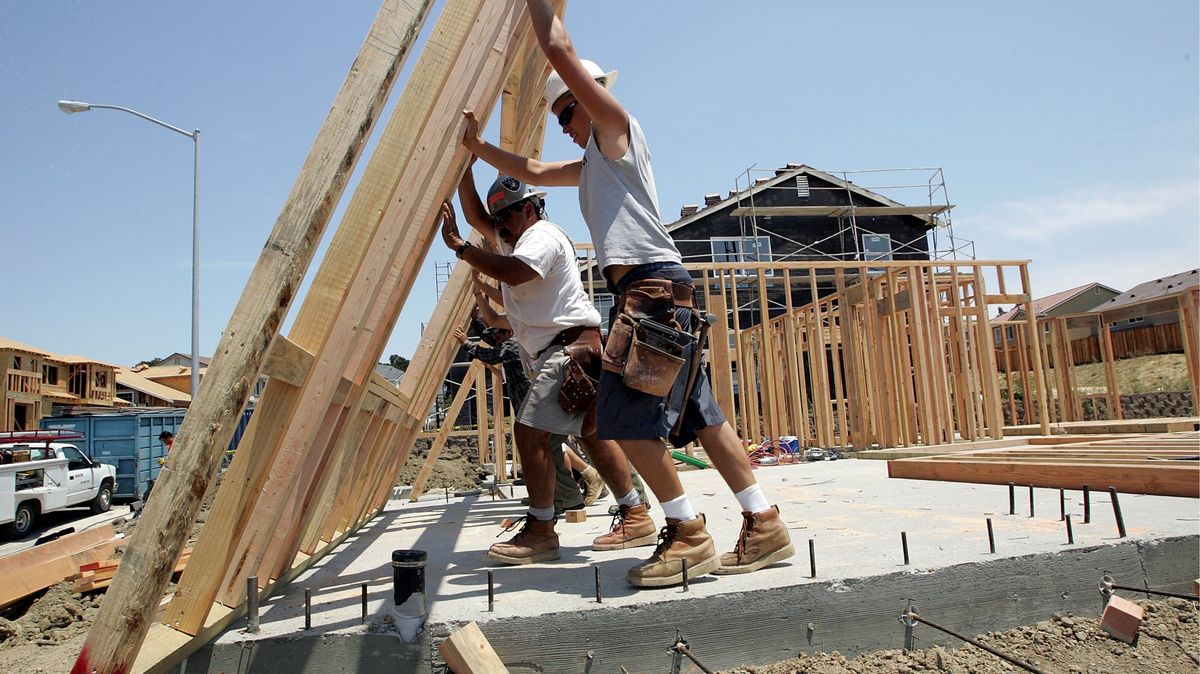
Builder's risk insurance is required any time active work is being performed on a structure. This includes full-scale renovations, partial rehabs, demolitions, and every ground-up construction project from groundbreak through completion.
The policy covers the structure against fire, hurricane, and other named perils during the active construction period. Most carriers offer endorsements that extend coverage to material theft (appliances, window packages, HVAC units), debris removal, and contractor equipment.
Builder's risk is not required on a stabilized DSCR rental. A property that is leased, producing income, and not undergoing active construction is covered under a standard dwelling fire or homeowners policy. The premium structure, underwriting requirements, and coverage profile are completely different from a builder's risk policy.
This distinction matters because borrowers running DSCR deals who get quoted builder's risk are being quoted the wrong product. Borrowers running construction or rehab deals who skip builder's risk are exposing themselves to real loss during the highest-risk phase of the project.
When a borrower is also the general contractor on their own project, the GC's general liability policy may already provide coverage for the work being performed. In that case, the borrowing entity is added to the existing GL policy as an additional insured rather than the borrower taking out a duplicate liability policy.
Whether this structure works depends on the specific policy and carrier. It needs to be confirmed in writing before close, not assumed.
Construction loan insurance premiums are driven primarily by two factors: location and deductible. For a ground-up construction loan around $1.7 million in coverage, builder's risk premiums in Florida typically run between $6,000 and $12,000 annually depending on the carrier. Standalone general liability is generally $700 to $1,000 per year. Flood insurance premiums vary widely based on flood zone and required coverage limits.
Deductibles directly affect premium. In Florida, the maximum hurricane deductible allowed is 5% or 10% of dwelling coverage. The higher the deductible, the lower the premium. Lender requirements set the minimum acceptable deductible, but within those parameters, there is room to optimize the premium structure.
Demolition and older structure renovations carry higher premiums than new construction because the underwriting exposure is higher. Properties in high-risk coastal areas, particularly the Florida Keys and on-water locations, can carry premiums two to three times higher than comparable inland properties.
The most overlooked premium reduction strategy on Florida construction and rehab deals is a wind mitigation inspection. A wind mitigation report documents structural features that reduce the carrier's hurricane exposure: roof shape, roof-to-wall attachments, opening protection, and similar elements. When those features pass inspection, the premium drops, sometimes substantially.
The cost of a wind mitigation inspection is typically under $200. The annual premium savings, depending on the property, can run into the thousands. On one recent Lendyx-financed deal in a high-risk Florida location, a $150 wind mitigation inspection reduced the borrower's annual premium from $25,000 to $18,000, saving $7,000 per year over the life of the loan.
The second strategy is shopping the market. Independent insurance brokers have access to multiple carriers and can compare the same coverage profile across the market. The same property, same coverage profile, and same lender requirements can return significantly different premiums depending on which carrier writes the policy. Borrowers working with a single-carrier captive agent see one option. Borrowers working with an independent broker see the market.
To produce a useful quote on a construction or bridge loan, an insurance agent needs the following information upfront:
For ground-up construction on vacant land: Square footage of the planned structure, number of bedrooms and bathrooms, total loan amount, and project timeline.
For remodels and demolitions: All of the above, plus whether the property will be vacant immediately upon close, whether work begins within 30 days of closing, and the age of the existing structure. For properties in high-risk coastal areas or with significant vintage, the year of construction and exact location drive the underwriting more than almost any other factor.
For DSCR loans with no active construction: Standard dwelling fire or homeowners requirements. Builder's risk is not required unless minor repairs or upgrades are planned post-closing, in which case those need to be disclosed.
Borrowers who get this information to their loan team early avoid the most common cause of insurance-related closing delays.
Lendyx sends insurance requirements to the borrower's insurance partner on the same day the loan application is signed and the appraisal is paid. The insurance thread runs in parallel to title, not after it. The goal is for insurance to be in place well before the closing window, not racing the clock at the end.
For construction, bridge, and rehab loans, the Lendyx processing team works directly with insurance brokers who specialize in these deal types. The output requested is a single comparison grid showing the best three carriers, their deductibles, and their premiums side by side. Borrowers and brokers see what the market looks like, the numbers behind the recommendation, and the structure that meets lender requirements at the lowest viable cost.
When we understand every facet of a deal, our borrowers get the best version of it. Insurance is one of those facets. It is not the headline number on the loan, but over a multi-year hold, the difference between a default premium and a properly shopped one can run into tens of thousands of dollars. Treating it as a checkbox is how that number ends up larger than it has to be.
If you are working on a construction, bridge, or rehab deal and want to make sure your insurance structure is set up correctly before you bind, send your deal information to our team. We will walk through the requirements, the coverage components that apply to your specific transaction, and what the broker market looks like for your property type.

Apply in minutes. Close your loan quickly.

.png)


.png)